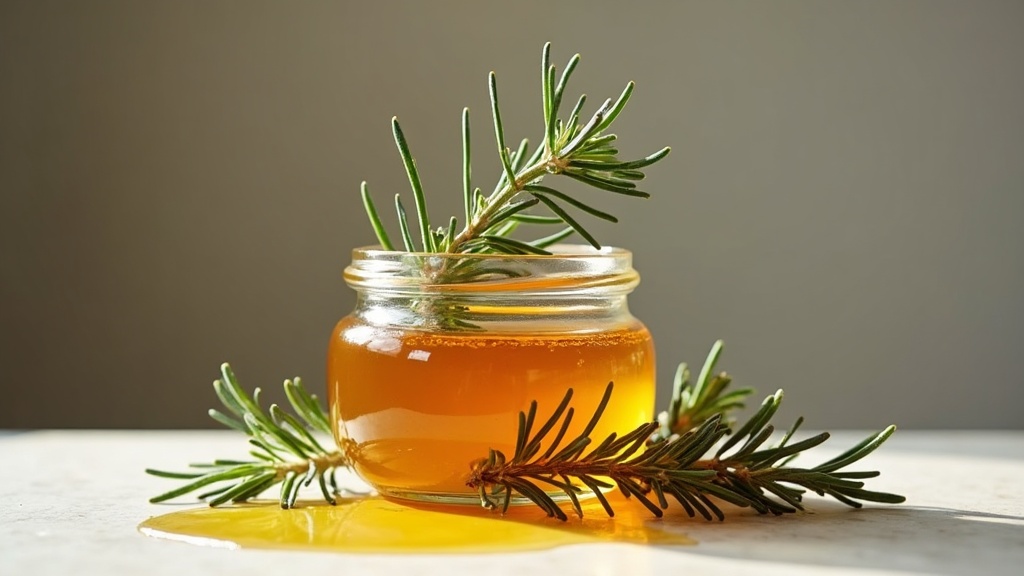
Curious why so many people past 50 are suddenly talking about honey e rosemary in the same breath as their morning routine? This video walks through the traditional and modern interest in this natural pairing, without any exaggerated claims.
Many people notice changes in recall, focus, and mental sharpness as they get older. Here are four commonly discussed factors — including why ingredients like honey e rosemary keep coming up in conversations about daily habits.
Decades of stress, sleep patterns, and routines can add up, and many people start paying closer attention to small daily habits — including what they eat and drink, such as honey e rosemary.
Sleep architecture naturally shifts with age, which some people associate with feeling less sharp during the day.
Afternoon dips in energy are commonly reported after 50, prompting many to look at nutrition and lifestyle more closely.
Juggling more responsibilities over time can make lapses in attention more noticeable than they were decades earlier.
There’s a lot of noise online about memory and aging. Here’s a grounded look at some common claims.
Memory decline is inevitable and irreversible for everyone.
Experiences vary widely; many factors, including lifestyle, play a role in how people perceive their own cognitive changes.
Natural ingredients like honey e rosemary act as instant fixes.
These are traditional food ingredients some people include in daily routines; they are not treatments or cures for any condition.
Only prescription products are worth discussing with a doctor.
Healthcare professionals can offer guidance on any dietary or lifestyle change, natural or otherwise.
This is not a treatment protocol — just an overview of how some people structure their thinking around daily wellness habits.
Some people start by simply paying attention to how they feel across the day, without changing anything yet.
This is where interest in things like honey e rosemary often begins — as part of general research into traditional dietary habits.
Before making any changes, discussing options with a healthcare provider is a reasonable and recommended step.
Honey and rosemary both have a long history in traditional food culture across different regions, often paired together in kitchens for their flavor and aroma. Over time, some people became curious about whether this traditional pairing had any broader relevance to daily wellness routines, which is part of why it’s discussed today.
Interest in traditional ingredients doesn’t equal proof of any specific effect — it simply reflects curiosity about long-standing food customs.
Occasionally forgetting the point of a sentence while speaking.
Noticing keys, glasses, or phones going missing more frequently than before.
A longer pause before a familiar name comes to mind.
A dip in sharpness or focus later in the day.
Having to go over the same paragraph more than once.
Simple tasks feeling more draining than they used to.
These reflect individual opinions and experiences shared voluntarily. They are not a guarantee of any outcome, and results vary from person to person.
No. The content is educational and discusses traditional ingredients and general wellness topics without diagnosing, treating, curing, or preventing any condition.
They’re discussed as traditional food ingredients that some people are curious about in relation to daily habits, not as a medical solution.
No. This is simply informational content; any decisions about your routine should be discussed with a healthcare professional.
The content is framed around common experiences reported by people in that age range, but anyone curious is welcome to watch.
The video presents information; any purchasing decisions are entirely up to the viewer after doing their own research.
There is a body of general food science and traditional use history; the video does not present specific clinical claims.
Yes. It’s always recommended to speak with a healthcare professional before making changes to your diet or routine.
Watch the full video to see the traditional context and modern curiosity behind this pairing, explained in plain language.
Advertising Disclosure: This is sponsored content and may contain affiliate links. We may receive compensation if you click on or make purchases via links on this page. This helps support the operation of this site at no additional cost to you.
Content Disclaimer: This content is for educational and informational purposes only. It has not been evaluated by the FDA. Nothing on this page is intended to diagnose, treat, cure, or prevent any disease. Always consult a qualified healthcare professional before making changes to your diet, lifestyle, or supplement routine.
Results Disclaimer: Individual results vary. Any testimonials or experiences shared on this page are personal opinions and are not a guarantee of any specific outcome for you.
© 2026 · All Rights Reserved · /contact/